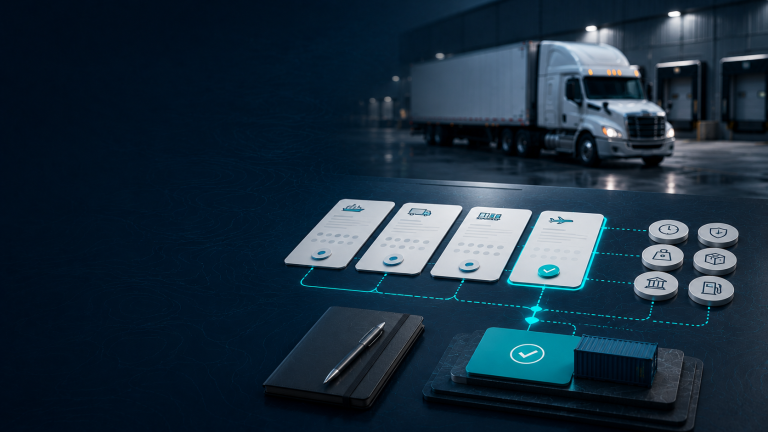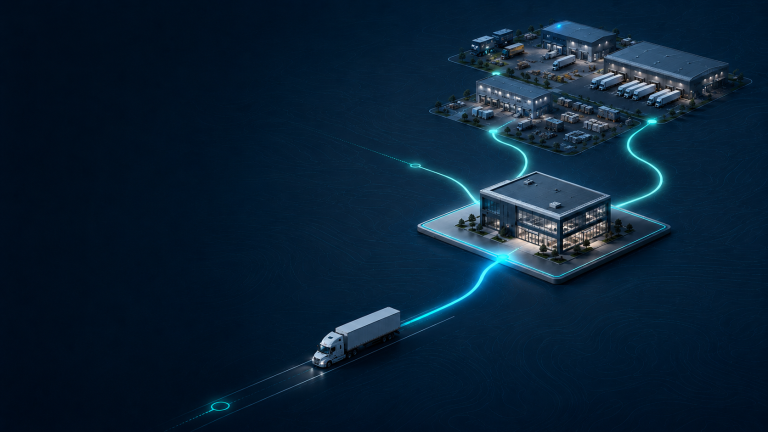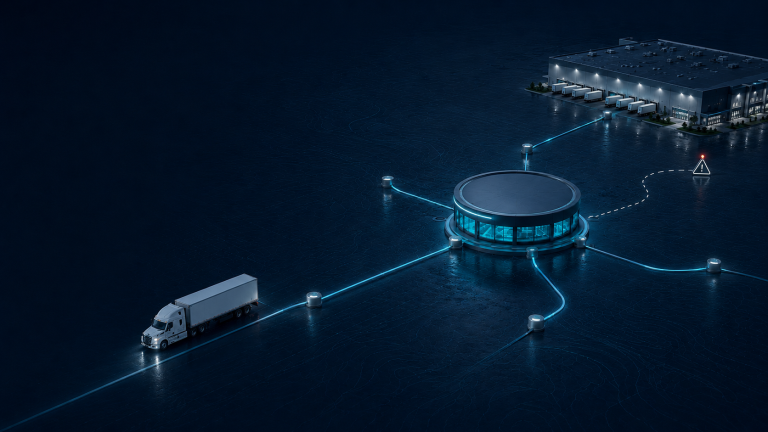


Domestic freight management is the work of moving goods across the U.S. with the right mix of cost control, visibility, provider coordination, documents, and execution support. For growing shippers, that work can include LTL, FTL, partial truckload, expedited freight, intermodal, drayage, flatbeds, temperature-controlled moves, special equipment, warehousing, cross-docking, and other operational needs.
The challenge is not simply finding a logistics provider. The bigger challenge is building a repeatable process that helps the team quote, book, track, document, and manage freight without losing control as volume grows.
A practical domestic freight management process helps shippers manage the details that affect service and cost: shipment visibility, freight costs, carrier selection, accessorial exposure, documentation, appointment requirements, equipment needs, and exception response.
What Domestic Freight Management Includes
Domestic freight management covers the transportation workflows used to move freight within the U.S. It can involve a transportation management system, freight management system, carrier network, third-party logistics support, internal operations processes, and technology-enabled execution.
For shippers, the core work usually includes:
- Comparing shipment options across modes
- Booking LTL, full truckload, partial, expedited, intermodal, or drayage freight
- Coordinating pickup and delivery details
- Managing bills of lading, proofs of delivery, and supporting documents
- Monitoring shipment tracking and real-time tracking updates
- Communicating with carriers, providers, consignees, and internal teams
- Reviewing shipping costs, freight charges, and accessorials
- Analyzing performance across lanes, facilities, modes, and providers
The best domestic freight workflows do not treat each shipment as an isolated task. They create structure that helps the whole supply chain work with better visibility.
Common Domestic Freight Modes
Different shipments require different operating decisions. The right mode depends on cost, urgency, freight characteristics, delivery requirements, and available capacity.
LTL
LTL works well when freight does not require an entire trailer. Less-than-truckload shipping can be useful for palletized shipments, smaller replenishment orders, and freight moving to or from distribution centers. It requires attention to freight class, weight, dimensions, accessorials, and handling risk.
Full Truckload and FTL
Full truckload, often called FTL, is typically used when a shipper has enough freight for a dedicated trailer or when the shipment requires more direct handling. FTL can be useful for larger moves, time-sensitive freight, or shipments where reducing handling is important.
Partial and Expedited Freight
Partial truckload can help when freight is larger than standard LTL but does not require a full trailer. Expedited service or air freight may be necessary when timing is more important than cost. These moves need clear communication and accurate details because execution windows can be tight.
Intermodal and Rail Transportation
Intermodal freight can combine truck and rail transportation. It may be useful when shippers are balancing cost, capacity, and sustainability considerations. It can also introduce more handoffs and documentation needs, so visibility and communication are important.
Drayage
Drayage supports container freight moving between ports, rail ramps, warehouses, and final destinations. It can involve appointments, equipment availability, chassis considerations, accessorial exposure, and fast response when port or rail conditions change.
Specialized Domestic Freight
Some shipments require flatbeds, temperature-controlled equipment, oversized handling, palletizing support, warehousing, or cross-docking. Domestic freight management should help teams identify these requirements before booking, not after an exception occurs.
Why Growing Shippers Outgrow Manual Processes
Manual processes usually start as a practical workaround. A spreadsheet tracks open shipments. Emails store quotes and documents. A shared folder holds proofs of delivery. Carrier portals provide updates. At first, the system works because a small team remembers where everything is.
As the business grows, that informal system becomes harder to manage. More shipments mean more documents, more exceptions, more providers, more invoice questions, and more internal stakeholders asking for freight visibility. Operations wants status. Finance wants cost clarity. Sales or customer service wants delivery updates. Leadership wants confidence that the supply chain can support growth.
Domestic freight management should help the business do more without adding avoidable manual work. A platform should not make a small shipper feel too small for better tools. It should give the team structure early so the operation can scale with fewer process breakdowns.
Cost Control Starts with Better Inputs
Shipping costs are easier to manage when shipment data is accurate and complete. Domestic freight pricing can be affected by mode, weight, dimensions, pickup and delivery locations, service level, equipment type, market conditions, accessorials, and handling requirements.
Teams can improve control by standardizing the information they collect before a shipment is booked:
- Origin and destination details
- Pickup and delivery windows
- Weight, dimensions, pallet count, and packaging
- Freight class when LTL applies
- Equipment requirements
- Temperature-controlled or special handling needs
- Consignee requirements
- Reference numbers and documentation needs
Rate negotiation can help, but negotiation alone is not a complete freight management strategy. Shippers also need visibility into why costs change, where accessorials occur, which providers perform consistently, and which lanes create repeated issues.
Visibility and Communication Make Execution Stronger
Shipment visibility is one of the most important parts of domestic freight management. A team cannot manage what it cannot see. Shipment tracking and real-time tracking updates help, but visibility should also include documents, cost context, service requirements, and exception notes.
When information is centralized, teams can answer practical questions faster:
- Which shipments are at risk?
- Which orders are missing documents?
- Which providers need follow-up?
- Which facilities create recurring delays?
- Which accessorials are appearing repeatedly?
- Which customers or consignees require special communication?
This is where technology-enabled freight management becomes more than a status screen. It becomes a shared operating layer for decision-making across logistics, operations, procurement, and finance.
Where Technology Fits
A transportation management system, TMS, or freight management platform can help centralize quoting, booking, shipment monitoring, document management, and analytics. API connections, EDI, and integrations may also support cleaner data flow between systems when available.
Automation can help reduce manual entry, flag missing details, organize documents, and support more consistent execution workflows. Analytics can help shippers review lane performance, on-time delivery, carrier performance, accessorials, and cost trends. Inventory management and warehousing systems may also connect to freight workflows when transportation decisions are tied to facility operations.
The key is practicality. Domestic freight technology should help teams make clearer decisions. It should not create a separate layer of work that the team has to manage on top of the shipments themselves.
How Lighthouse Supports Domestic Freight Management
Lighthouse is Tilt’s shipper-facing platform for centralized freight workflows, visibility, transparent pricing, security, automation, analytics, and practical decision support. It is designed to help shipper teams manage freight from a more connected place instead of relying on disconnected emails, spreadsheets, and carrier portals.
For domestic freight management, that means bringing shipment details, quoting, booking, documents, tracking, exceptions, and analytics into one workflow. It also means supporting both small teams that need better control now and growing teams that need scalable processes for future volume across domestic freight shipping and broader supply chain management.
The Bottom Line for Shippers
Domestic freight management becomes more important as shipping complexity grows. The goal is not to add process for its own sake. The goal is to give the team a clearer way to manage freight across modes, documents, providers, costs, and exceptions.
When freight workflows are connected, shippers can respond faster, understand performance more clearly, and scale operations with fewer manual breakdowns. For growing teams, that structure can become a real operating advantage.
Talk to Tilt about how Lighthouse helps shippers centralize domestic freight workflows and manage transportation with more visibility, control, and confidence.
FAQ
Q: What is domestic freight management?
A: Domestic freight management is the process of managing freight that moves within the U.S. It includes mode selection, quoting, booking, tracking, documents, carrier coordination, cost control, and exception management.
Q: What domestic freight modes should shippers understand?
A: Shippers should understand LTL, full truckload, partial, expedited, intermodal, drayage, and specialized equipment options such as flatbeds or temperature-controlled freight. The right mode depends on cost, timing, shipment characteristics, and service requirements.
Q: How can technology improve domestic freight management?
A: Technology can centralize shipment visibility, reduce manual work, organize documents, support analytics, and help teams manage exceptions more consistently across modes and providers.